
ESG Initiatives
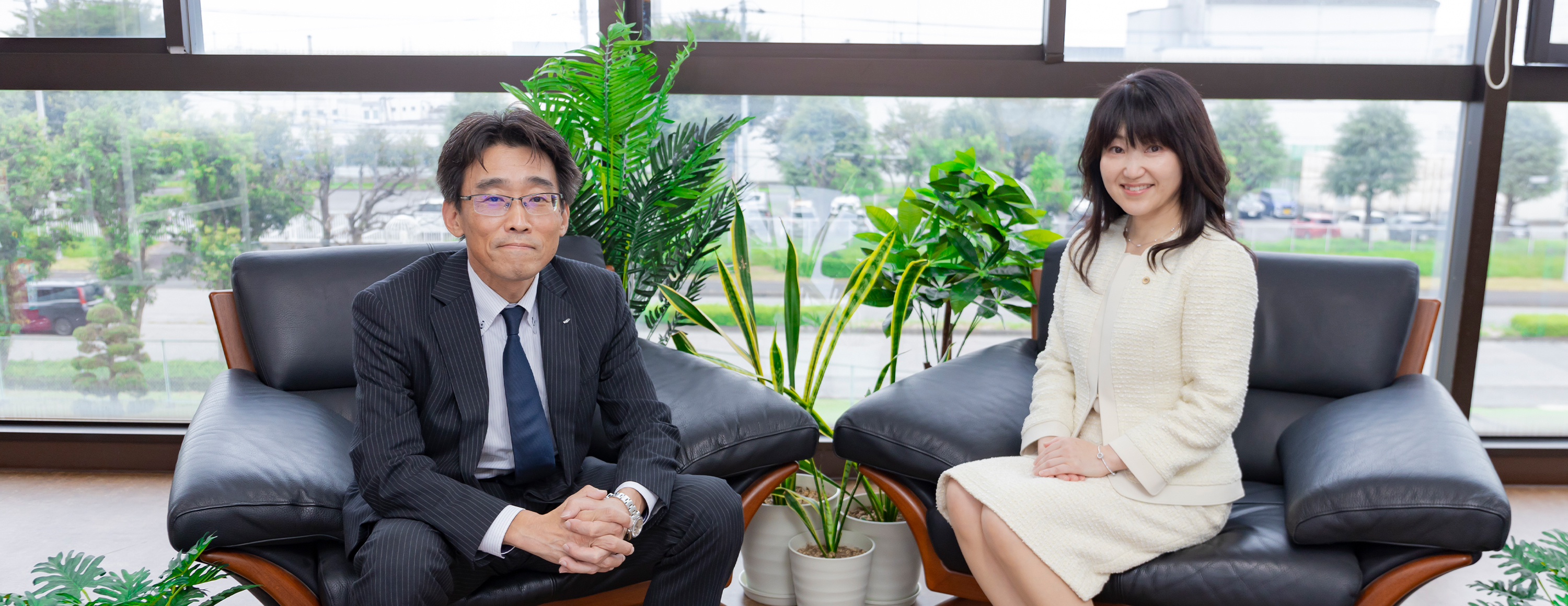
Innovation On The MoveFor The Next Decade
President and
Representative Director
Masafumi
Muro

Managing Partner, Tada International Certified Social Insurance and Labor Consultant Corporation
Tomoko
Tada
With ‘Always pursue innovation in everything we do’ as one of our guiding principles, MURO CORPORATION is now moving proactively toward the next decade. Innovation is nurtured in an environment where diverse talent can thrive. While valuing diversity, MURO CORPORATION will unite as one team to take on the challenge of creating new businesses.
-
- President and Representative DirectorMasafumi Muro
- Born in Osaka in 1968
Graduated from Department of Production Systems, Graduate School of Engineering, Engineering, Shinshu University
Appointed as President in 2013
-
- Managing Partner, Tada International Certified Social Insurance and Labor Consultant CorporationTomoko Tada
- Labor and Social Security Attorney with ADR Certification
Graduated from Graduate School of Innovation Management, Hosei University
Obtained MBA
May 2019 – May 2022: Outside Corporate Auditor, MURO CORPORATION
June 2022 – June 2026: Outside Director, MURO CORPORATION
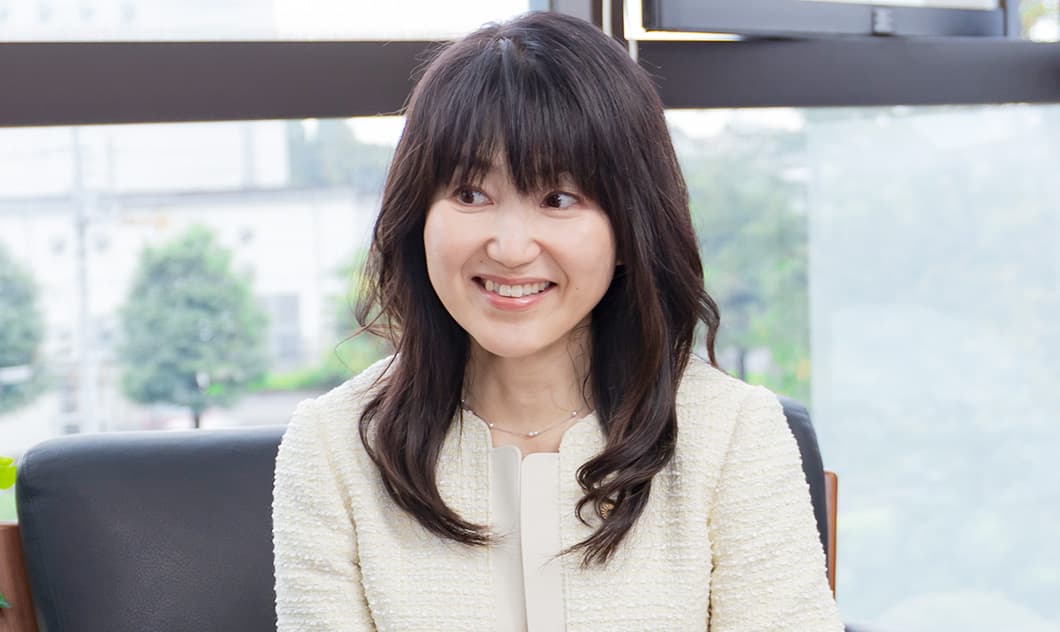
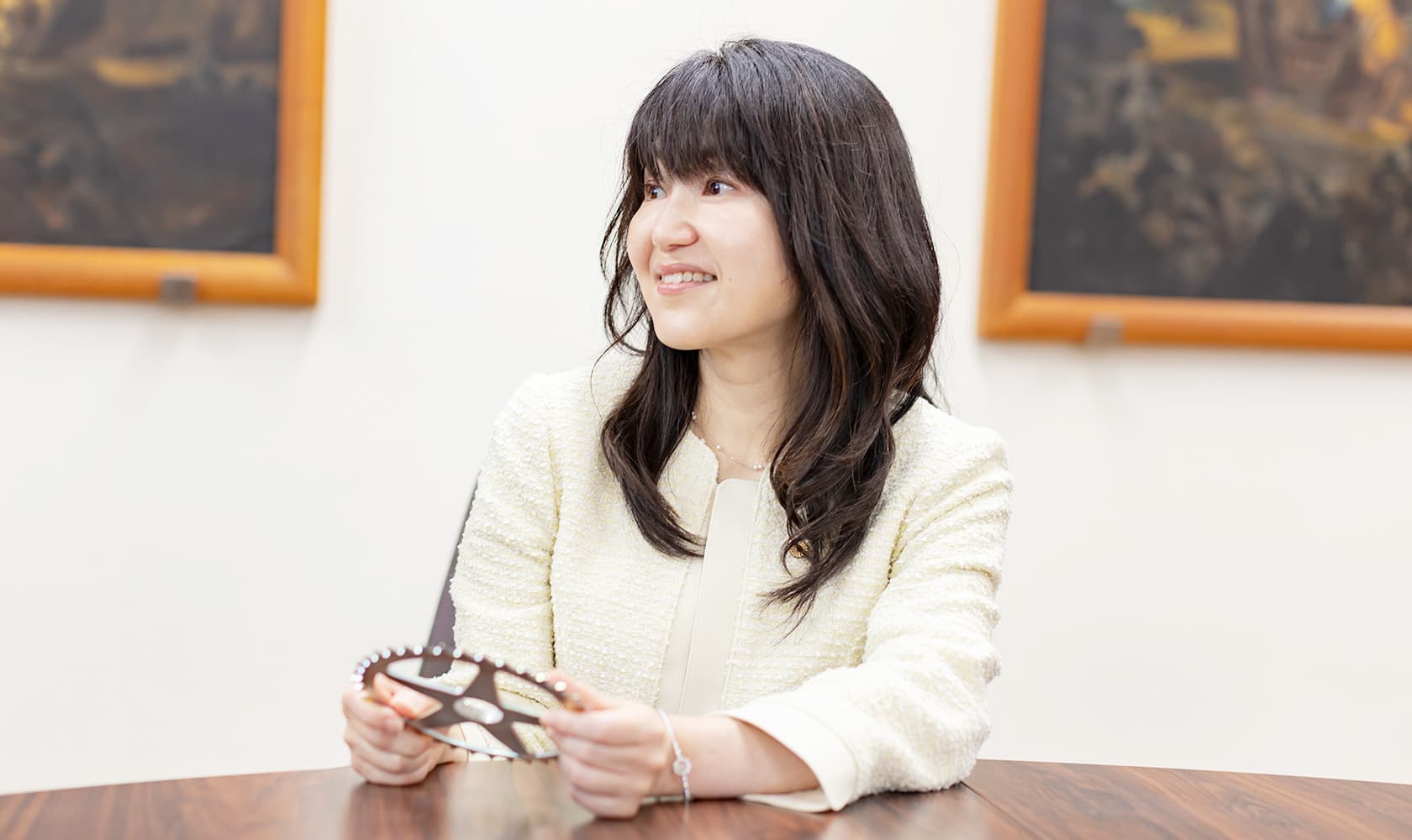
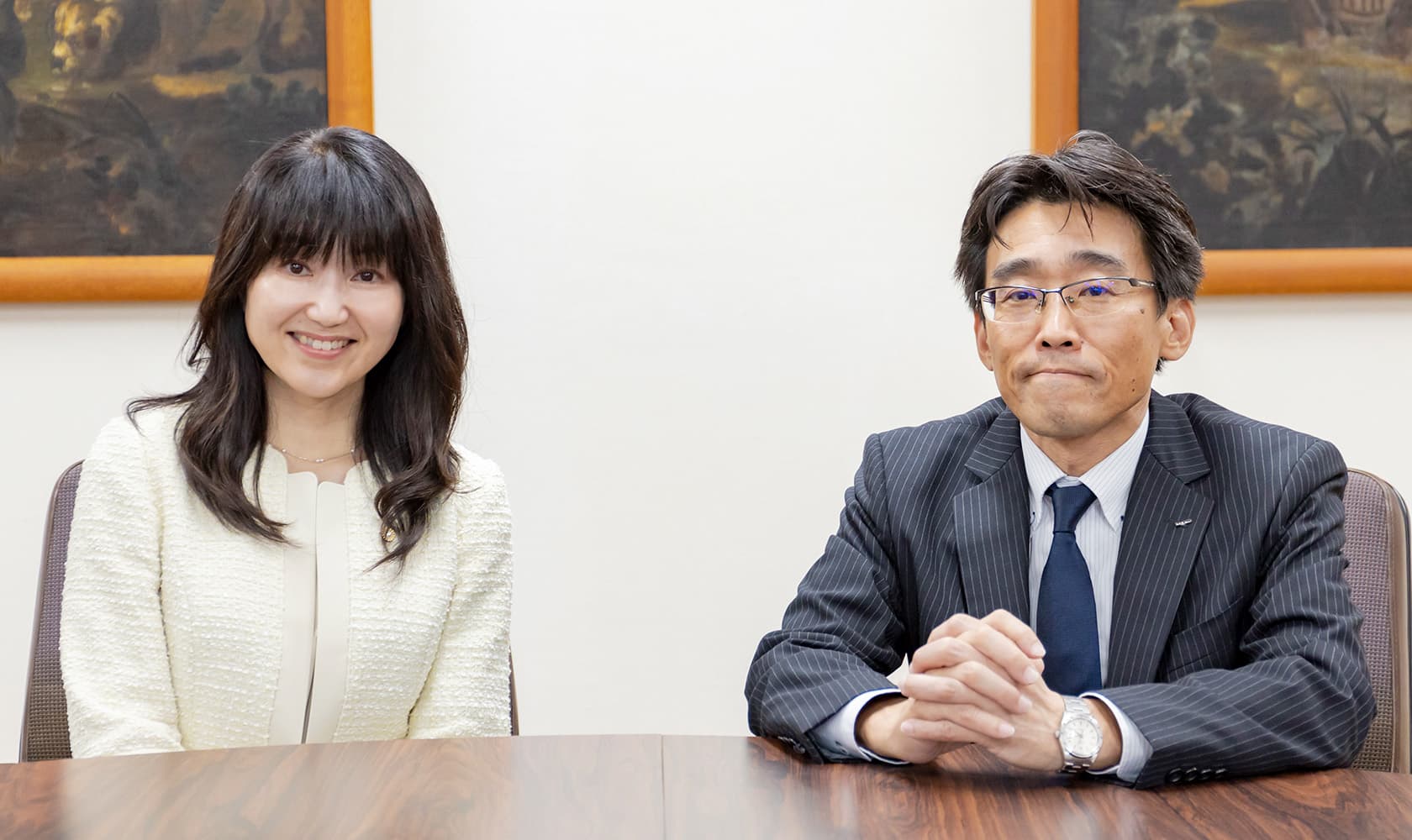
In this interview, President & Representative Director Masafumi Muro and Ms. Tomoko Tada—an HR and labor professional (Certified Social Insurance and Labor Consultant) well versed in corporate management as well as human capital and ESG—discuss MURO CORPORATION’s business and management from the perspective of the SDGs.
About the SDGs
- Q
- Many TV programs and magazines feature companies actively working on the SDGs, and interest among younger generations is rising. As MURO CORPORATION, which areas of the SDGs do you plan to prioritize?
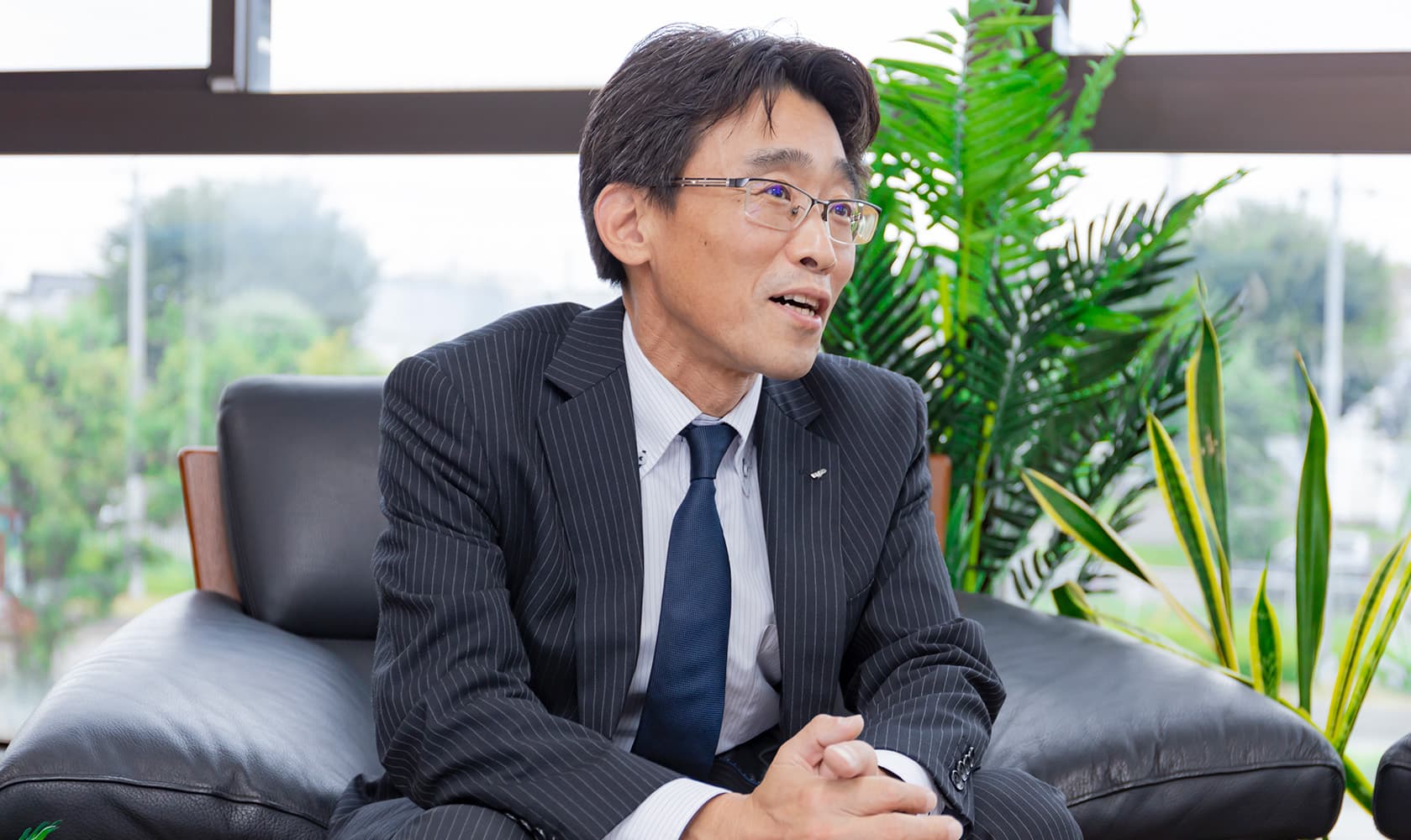
- Masafumi Muro
- Companies are expected to be a ‘going concern’—in other words, to be enduring and continuous. That aligns closely with the idea of being ‘sustainable.’ By continuing to operate, companies create employment and consumption and provide appropriate returns to a wide range of stakeholders, including business partners. In that sense, we already contribute to the SDGs; however, going forward we will place particular emphasis on decarbonization. This is also in response to requests from customers who are acting in line with the Japanese government’s policy of achieving net-zero CO₂ emissions by 2050—an issue we must address as well. It is a very challenging goal, but we will tackle it with a clear plan.
- Tomoko Tada
- Contributing to a sustainable society through business will be increasingly expected. At the same time, global momentum on climate change is accelerating rapidly. It is important to move beyond the conventional assumption that ‘economic growth and CO₂ emissions are proportional’ and recognize the need to achieve both decarbonization and growth. This used to be an area led primarily by governments, but we are entering an era in which each company must think proactively and drive initiatives through management-level discussion.
- Masafumi Muro
- In the automotive industry today, the shift toward electrification and automation is progressing in order to achieve zero emissions. For future components, further weight reduction and higher functionality will be required to improve vehicle energy efficiency. New needs are emerging, such as units for thermal management. As demand for internal-combustion-related work declines, we will identify opportunities based on these new needs and contribute in our areas of strength—such as improving engine and motor efficiency.
In addition, to realize carbon neutrality, we will strengthen our daily kaizen activities and energy-saving efforts more than ever, and we will also promote initiatives such as on-site renewable power generation.
- Tomoko Tada
- It is inevitable that one of the key management challenges going forward will be creating a positive cycle in which companies and society both improve as businesses collectively pursue these initiatives in earnest. We should view such efforts as part of the value of our products and services. There are many tasks—reviewing product design and processes, improving energy efficiency, and reconsidering the energy we use—but these are challenges for companies worldwide. By leveraging your strength in continuous improvement, let’s address them proactively.
- Q
- As part of your CSR activities and contribution to local communities, the company has made donations to disaster-affected areas. What is the thinking behind these efforts?
- Masafumi Muro
- Yes—this is something we began after I became president. When a major disaster occurs, we discuss it at the Board of Directors and provide relief funds (donations). My motivation comes from experiencing the Great East Japan Earthquake in Utsunomiya and wanting to help those who suffered severe damage. One of our management philosophies is to contribute to local communities. Japan is truly a country prone to disasters. I also experienced the Great Hanshin-Awaji Earthquake in Himeji. Although both were slightly outside the areas of maximum damage, the impact was still significant. Whether due to climate change or the natural cycle of disasters, there have been especially large disasters in recent years. Precisely because Japan faces so many disasters, I believe that helping one another in difficult times and providing mutual support leads to a more sustainable society.
- Tomoko Tada
- Disaster support is discussed each time at the Board, and I was moved by how such support has become a natural part of the company’s approach. Seeing the entire Board share President Muro’s views, I believe that a management team and corporate culture characterized by warmth and mutual help in times of need also contributes positively to achieving the SDGs.
- <Recent Disaster Relief Contributions>
2016 Kumamoto Earthquake relief donation
2017 Northern Kyushu heavy rain (Asakura City) relief donation
2018 Western Japan heavy rain (Kure City) relief donation
2018 Western Japan heavy rain (Kurashiki City) relief donation
2019 Typhoon No. 19 (Typhoon Hagibis) (Nagano City) relief donation
2024 Noto Peninsula Earthquake (Suzu City) relief donation

About Globalization
- Q
- I’d like to ask about our guiding principle, ‘Develop business with a global mindset.’ What prompted you to think so strongly about globalization and to want to advance it? And what does ‘globalization’ mean to you?
- Masafumi Muro
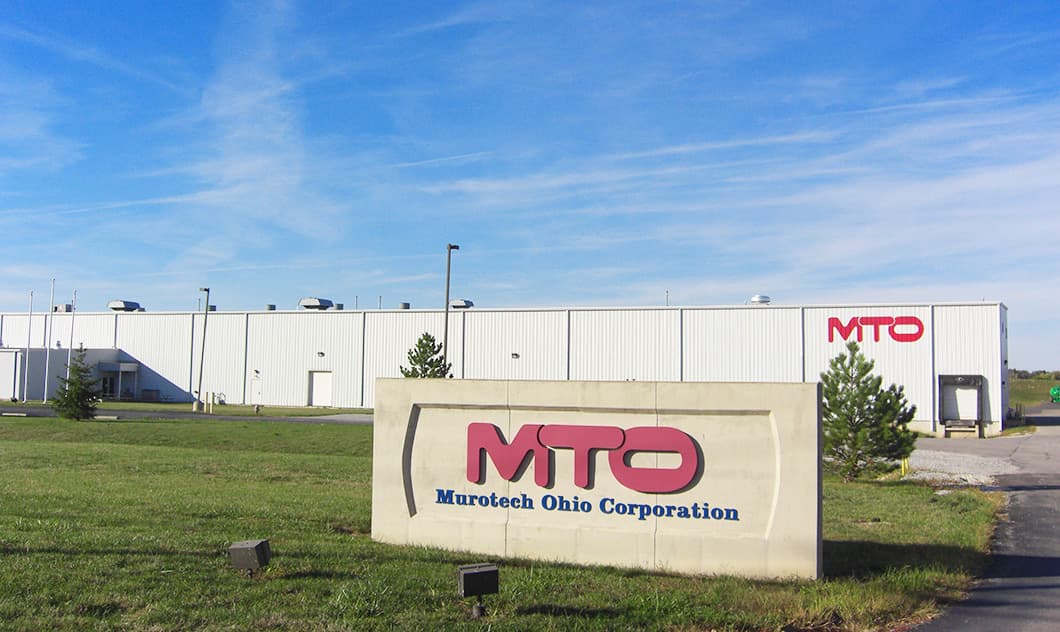
- Here, I interpret ‘global’ as having a broad perspective. In a company of our size, some employees naturally tend to think inwardly, and it is true that some may be reluctant to go overseas or take on new challenges. However, to understand the bigger picture and do work you can truly stand behind, it is important to view our organization—including overseas operations—comprehensively, considering synergies and human capital strategies.
I believe this changes one’s awareness, knowledge, and ideas. If a business emerges from open, unconstrained thinking, it does not necessarily have to be ‘global’ in the narrow sense. To me, globalization means the freedom to act without being constrained by region, job type, nationality, race, or language.
- Tomoko Tada
- What kinds of employees would you like to see gain what kinds of experiences overseas going forward?
- Masafumi Muro
- Regarding global experience, I have worked overseas for more than a year in total, mainly on business trips. My first trip was to the United States in my mid-twenties. After that, I traveled abroad many times, and I learned that you simply cannot understand a place unless you actually go there. The same applies to manufacturing sites. I believe it is important to go, see, and try things yourself. This is true in everyday actions as well—if you don’t try, you won’t know. There is no point in talking without doing. Overseas experience makes this lesson especially clear.
So I want younger people, in particular, to go abroad and try many things. They will make mistakes, but mistakes made when you are young become an asset. Young people have the ability to learn from failures and make use of them. That raises experience levels and leads to personal growth. I have not been stationed overseas myself, but I would like employees to take overseas assignments as well. It is only a few years in an era where people may live to 100. Going forward, we will need a global mindset and a spirit of challenge more than ever. I hope our employees will not be overly fearful, will not play it too safe, and will take on challenges in all things.
- Tomoko Tada
- It really is about taking on challenges. Your company has many overseas locations and a long history of international business. Being able to gain experience in such an environment is a major advantage.
In fact, many members of your Board have overseas experience, and I felt that a foundation for embracing diversity is embedded in the organization. Because people have worked in a wide range of environments, including abroad, they have developed the perspective to accept diverse values while viewing the company’s position, strategy, and purpose through a global lens.
I also believe overseas experience offers many lessons and insights that are difficult to gain in Japan alone. I hope MURO will continue to be a company that provides opportunities to challenge oneself to motivated and capable people, regardless of age or gender.
Toward Creating New Businesses

- Q
- Next, I’d like to ask about new businesses. You have stated publicly that you will continue to challenge yourselves—both in developing new businesses and in evolving existing ones—looking ten years ahead. That also requires building the conditions where innovation can emerge, doesn’t it?
- Masafumi Muro
- Yes. ‘Always pursue innovation in everything we do’ is one of our guiding principles.
From here, we intend to further develop the concept of innovation that is already taking root internally. We want to discuss new business domains with an unconstrained mindset—products we have not handled before, and even intangible service offerings—without being bound by existing frameworks.
- Tomoko Tada
- In diversity-oriented management, it is essential to cultivate a workplace where diverse people can make the most of their abilities and are given opportunities to do so. As part of your efforts toward gender equality, you are promoting women into managerial roles, and women are also working on the factory floor—I feel you are building a work environment that supports them. In addition to workplace facilities and systems, the childcare leave uptake rate among female employees has been 100% over the past six years, hasn’t it? It is wonderful that both the ‘hard’ and ‘soft’ aspects are in place. I have high expectations for women’s leadership going forward.
- Q
- Globally, it is said that vehicles with gasoline and diesel engines will decrease in the future. MURO CORPORATION’s sales are currently composed largely of engine- and transmission-related parts. For sustainable growth going forward, what kinds of new businesses does MURO aim to create?
- Masafumi Muro
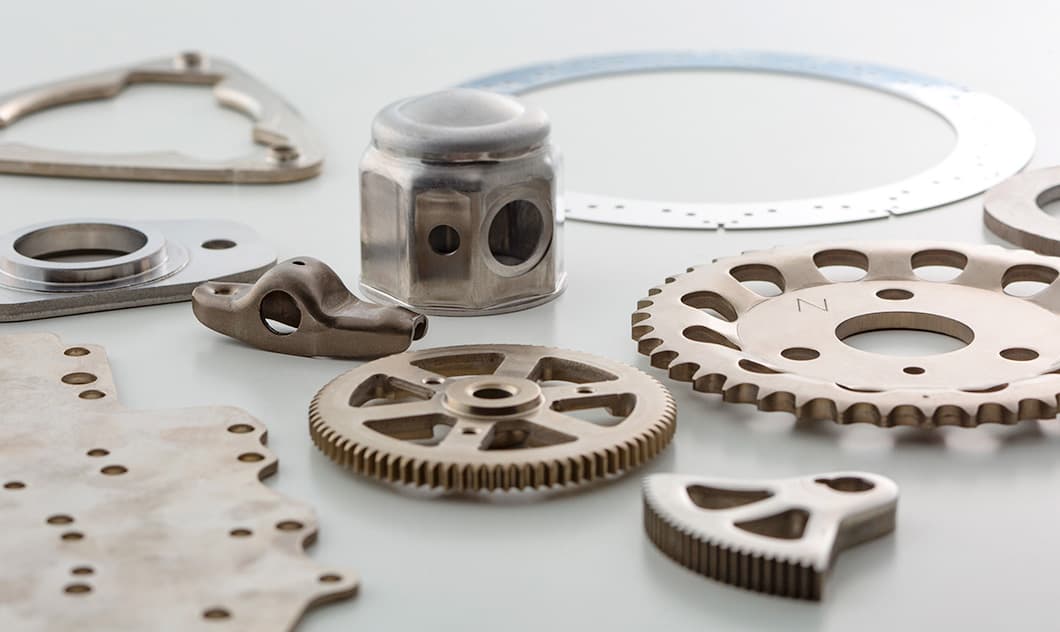
- As EV adoption accelerates and the market for internal-combustion-related parts shrinks, we must also create new businesses. We will primarily develop new domains by leveraging our metal parts business centered on our core press technologies, as well as the resin parts business of our subsidiary, Igari Sangyo. In addition, we are exploring whether we can launch businesses that help solve social issues. Some executives are already moving specific initiatives toward commercialization, and we have several projects under consideration. Recently, we have also increased industry-academia collaboration and partnerships with external consultants. M&A is another possible approach. From these avenues, we aim to nurture businesses that will become our next growth pillars.
- Tomoko Tada
- Yes, MURO is currently working actively on creating new businesses. In 2018 you explored new business ideas through a time-limited project structure, and from 2021 onward multiple departments conducted further reviews. After presentations to the management team and a selection process, several initiatives moved into full-scale consideration for commercialization. Through these activities, it seems a company-wide mindset of challenging new business creation is being fostered.
In particular, I feel that diverse talent and the energy of younger people—who can confront challenges without fearing failure—are indispensable. Creating new businesses is truly all about people. When building something from zero, it is necessary to involve people inside and outside the company and assemble a new business while using resources effectively. MURO today is a place where you can gain exactly this kind of experience.
While these current initiatives no doubt involve many challenges, from a mid- to long-term perspective based on your management philosophy, it is vital to strengthen next-generation leadership development and cultivate a culture that can adapt to new environments. It’s exciting.

Message
- Q
- Finally, please share a message for young people who hope to be involved in creating new businesses in the future.
- Masafumi Muro
- I believe both the world and Japan are in an era of major change. The automotive industry is also said to be undergoing a once-in-a-century transformation. When major change arrives, mindsets and ‘common sense’ change dramatically as well. With EVs, electrification, IT, and digitalization, one thing replaces another; when new functions emerge, functions that used to be central can become unnecessary. To create something new or transform existing structures, we need new ideas that are not constrained by past frameworks. Young people are particularly suited to this. I hope you will use your energy and creativity to take on new challenges. Let’s do it together.
*This article is based on an interview conducted in November 2022.*
*Except for the disaster relief track record and photographs related to new businesses, the contents are presented as they were at the time of the interview.*